Creative Leadership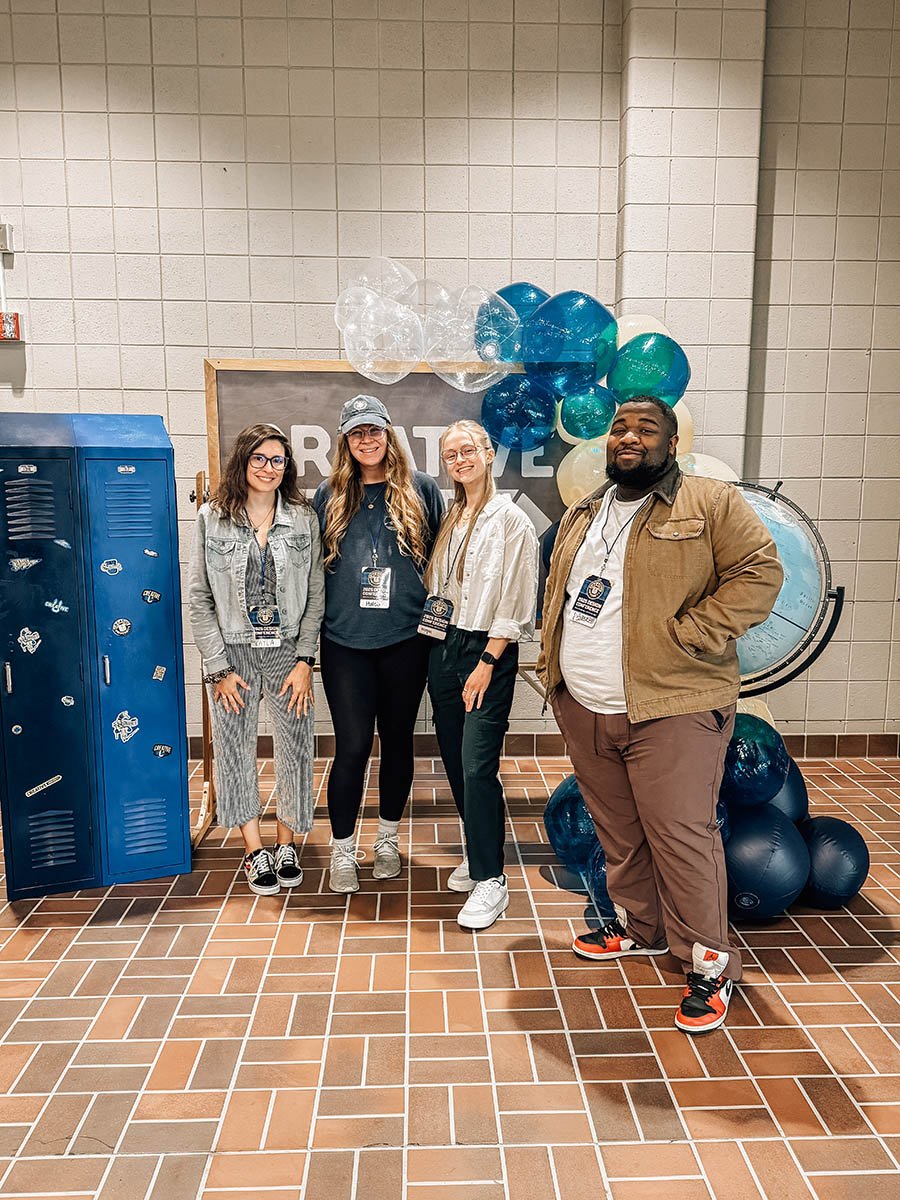
2025 Creative U Design Conference
I believe strong creative work comes from clarity, trust, and well-designed systems. As a Creative Director, my focus has been on developing people, creating sustainable workflows, and scaling creative impact across a growing organization.
My Leadership Philosophy
Teach the “why,” not just the task
I believe the best creatives aren’t just executors—they’re thinkers. By sharing context, strategy, and intent, I empower designers to make smarter decisions, grow their confidence, and take true ownership of their work.
Clarity over urgency
Great creative work starts with clear direction, not rushed decisions. I prioritize thoughtful planning, aligned expectations, and well-defined goals so teams can move quickly without sacrificing quality or well-being.
Protect creative energy
Sustainable creativity requires boundaries, trust, and realistic timelines. I advocate for systems and workflows that respect creative bandwidth, reduce burnout, and create space for experimentation and excellence.
Developing Creative Talent
One of the most meaningful parts of my role as a Creative Director is mentoring early- and mid-career creatives and supporting their growth from execution to ownership. Through focused coaching on visual hierarchy, brand consistency, and concept development, I help designers incorporate feedback and present ideas with confidence. Over time, I’ve seen them move from seeking approval on every decision to confidently owning projects, collaborating cross-functionally, and contributing at a strategic level. This growth is supported through regular critiques, one-on-one mentorship, clear creative direction, and a gradual increase in ownership, resulting in stronger design thinking, more cohesive work, and greater speed and independence.
Process & Systems - Scaling Creativity at Capri
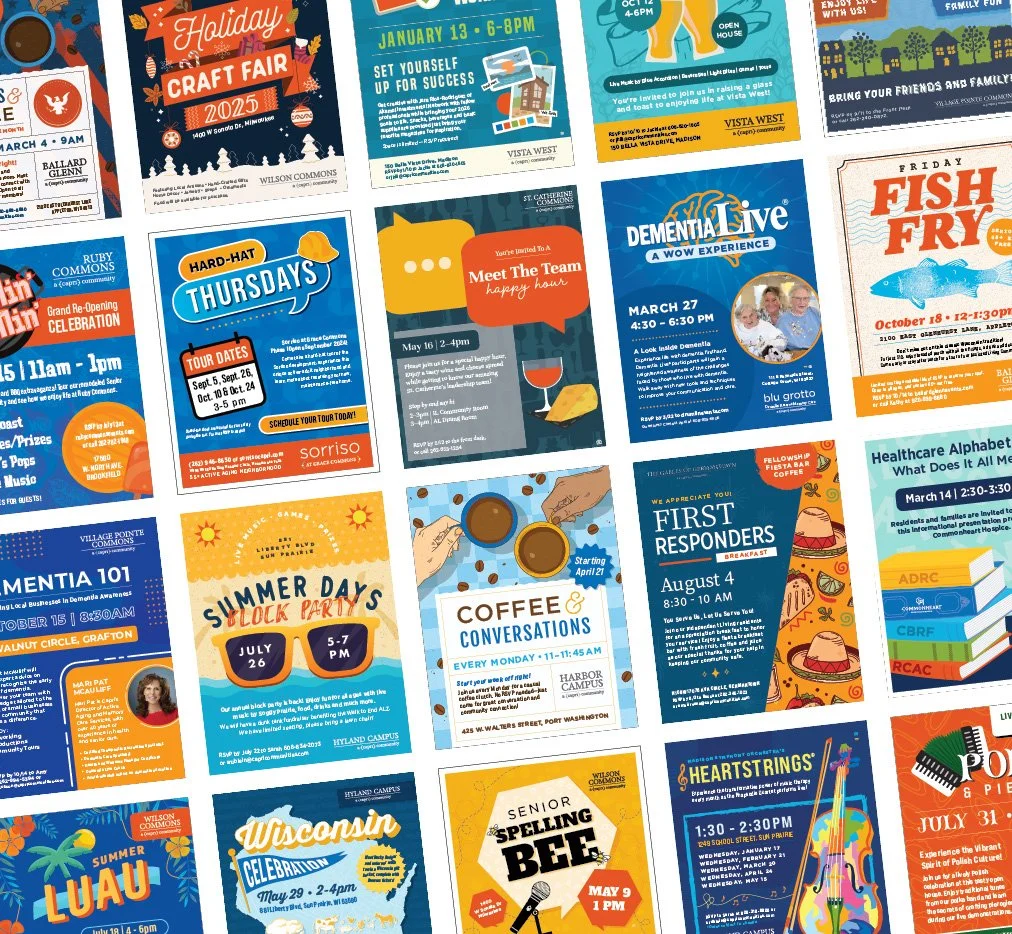
When I joined Capri, there were no structured systems for managing project intake, prioritization, or visibility. Requests flowed through spreadsheets, emails, and conversations, with the same turnaround expectations applied to everything—regardless of scope or complexity. I designed and implemented a tiered project system that aligned timelines, deliverables, and expectations to the actual type of work, creating much-needed structure in a high-volume, multi-location environment.
The system introduced a centralized intake process, clearer prioritization, and shared visibility across the team. For departments that consistently followed the workflow, this reduced clarification cycles by an estimated 30–40% and allowed the creative team to manage significantly more concurrent projects without adding headcount. Just as importantly, it shifted the team away from constant firefighting and toward more intentional, creative work.
Key elements of the system include:
Tiered project system: Defined categories for events, collateral, and turnkey items, each with scoped deliverables and realistic turnaround times.
Project intake form: An online request form replaced paper forms and scattered requests, routing work directly to the creative team with clearer upfront requirements.
Project management in Trello: Dedicated boards for events, signage, print and digital advertising, sales materials, websites, and photo/video, providing a single source of truth for project status and priorities.
Supporting documentation: Created training materials, FAQs, and how-to guides to support onboarding and consistent use.
Team training: Led multiple training sessions to support adoption and ensure a smooth transition.
Team Culture at Capri
Through Herd Honors and related programs, I focus on celebrating achievement, fostering collaboration, and building a team culture where every creative feels valued, supported, and inspired to do their best work.
Key initiatives include:
Herd Honor Awards: Each week, a team member recognizes another for a win, going above and beyond, or making a positive impact. At the end of each quarter, the MVP Award is given.
Monthly off-site creative meetings: Casual gatherings at a local coffee shop give the team time to collaborate and brainstorm. I set an agenda in advance based on input from the team and department, and each meeting kicks off with a creative challenge or icebreaker, such as illustration exercises, exploring new tools, or creative mad libs.
Structured 1:1 program: Weekly meetings with each team member celebrate wins, identify growth opportunities, and provide a safe space to bring questions or challenges. Monthly check-ins review goals and progress, and annual reviews include reflection exercises and additional feedback for me as their leader.
Advocating for continued learning: I recommend online courses and webinars and provide in-person opportunities such as Creative U and Adobe MAX conferences, supporting the team’s professional growth and keeping skills sharp.
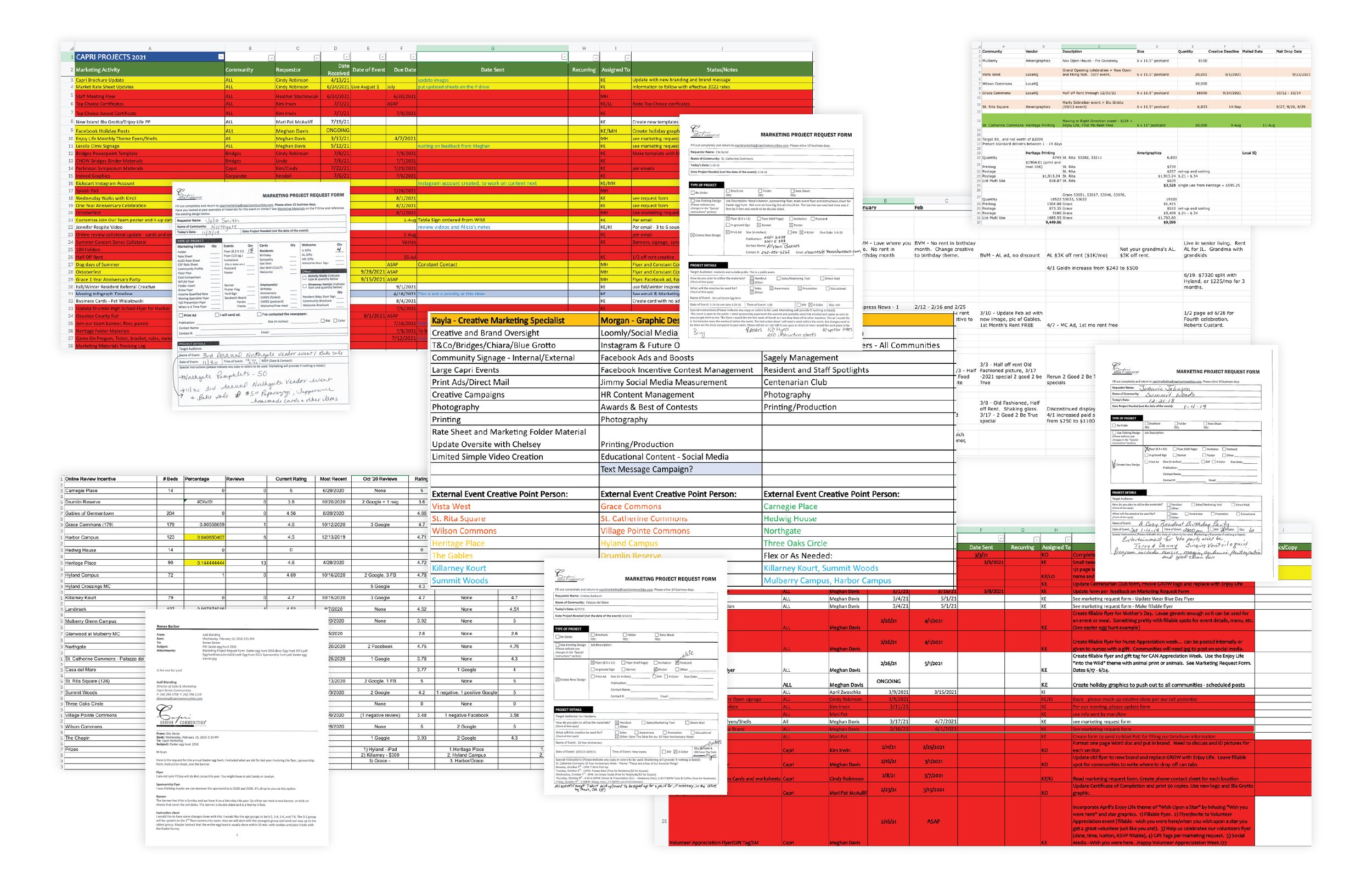
A look at the marketing request process before structured systems were in place. Requests came via handwritten forms, scanned PDFs, emails, and multiple spreadsheets, making it difficult to track project status, deadlines, and ownership across communities.
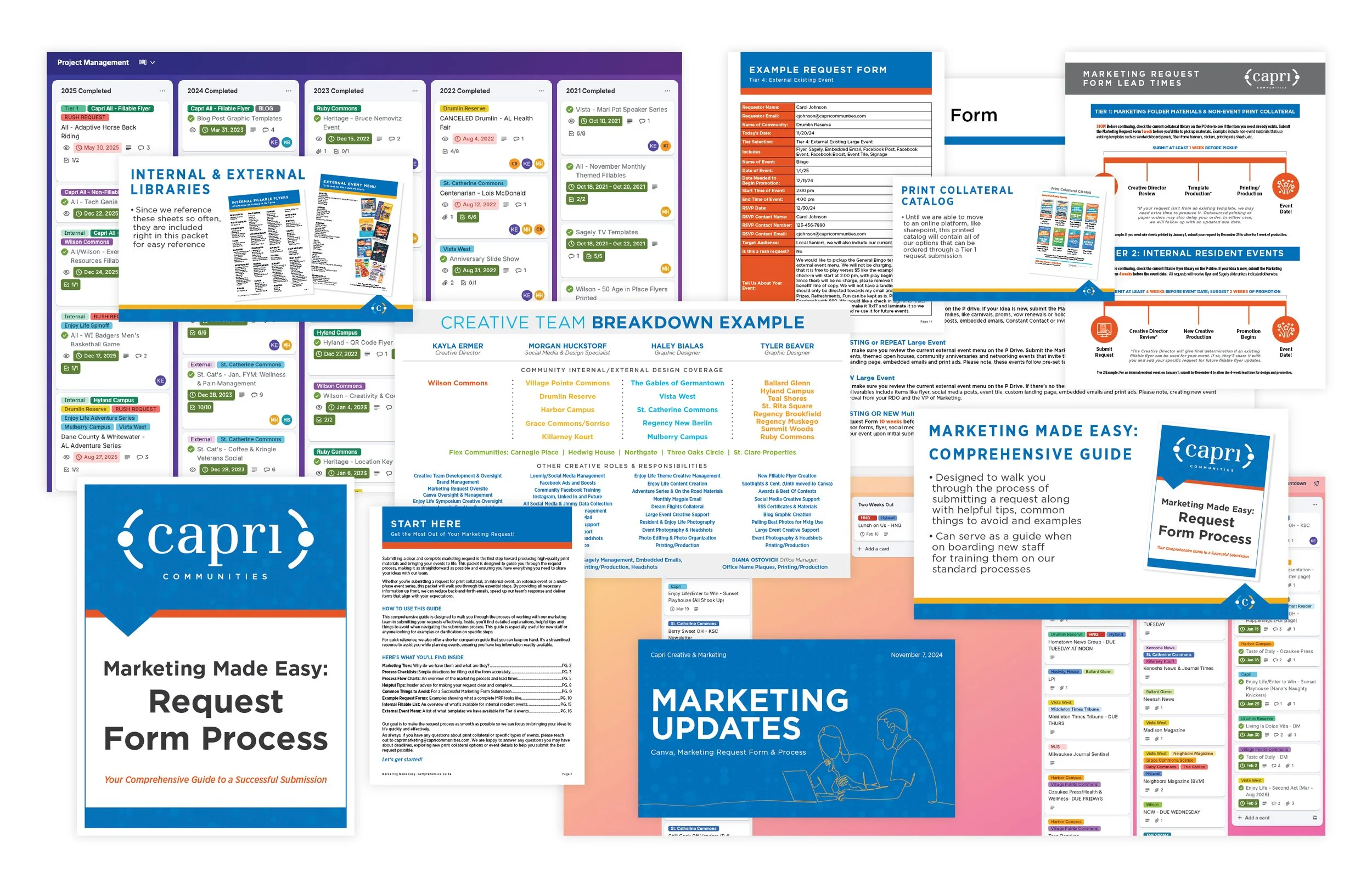
A streamlined, tiered system including a new online request form, structured deadlines, collateral catalogs, training guides, infographics, and Trello boards. Communities now know their point designer, requests are clear, and the team can focus on creative execution.
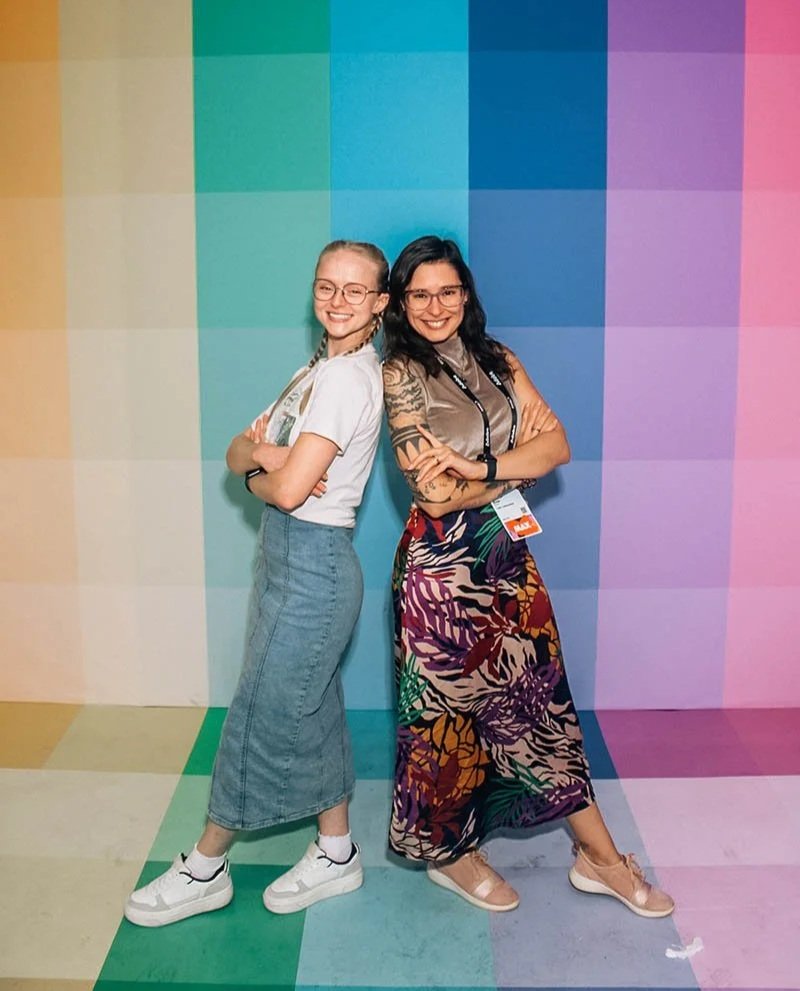
2025 Adobe MAX Conference
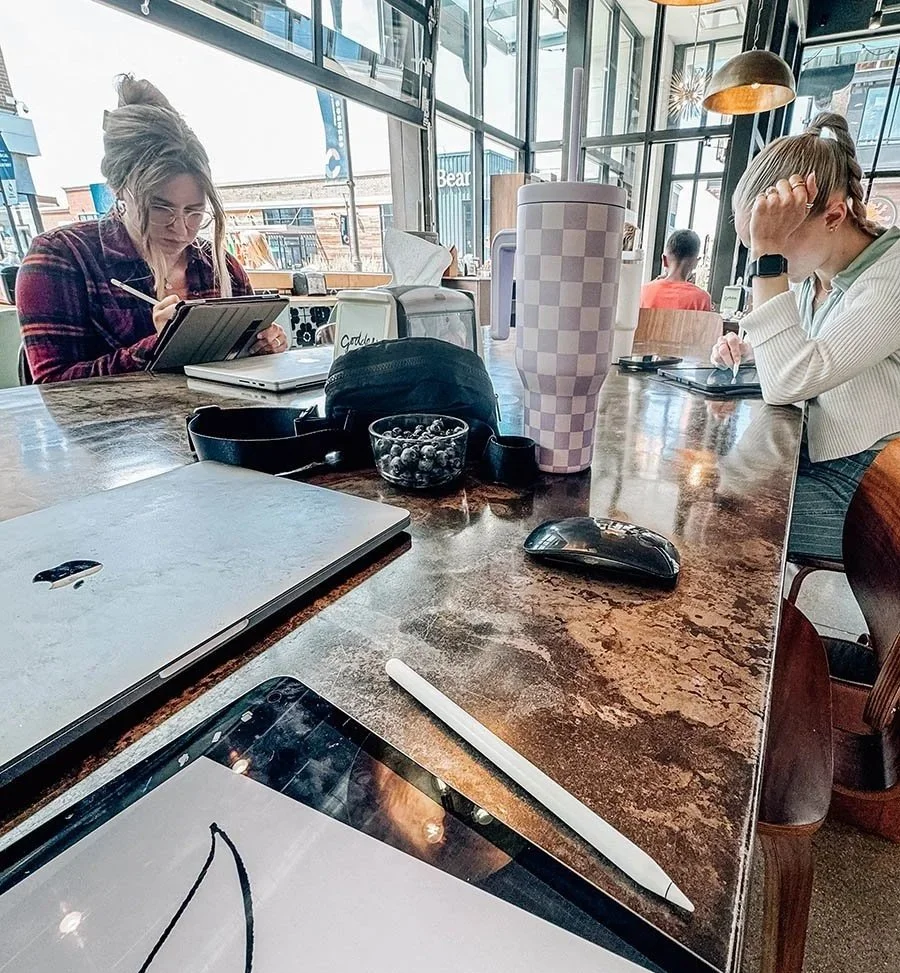
Monthly Creative Team Meeting
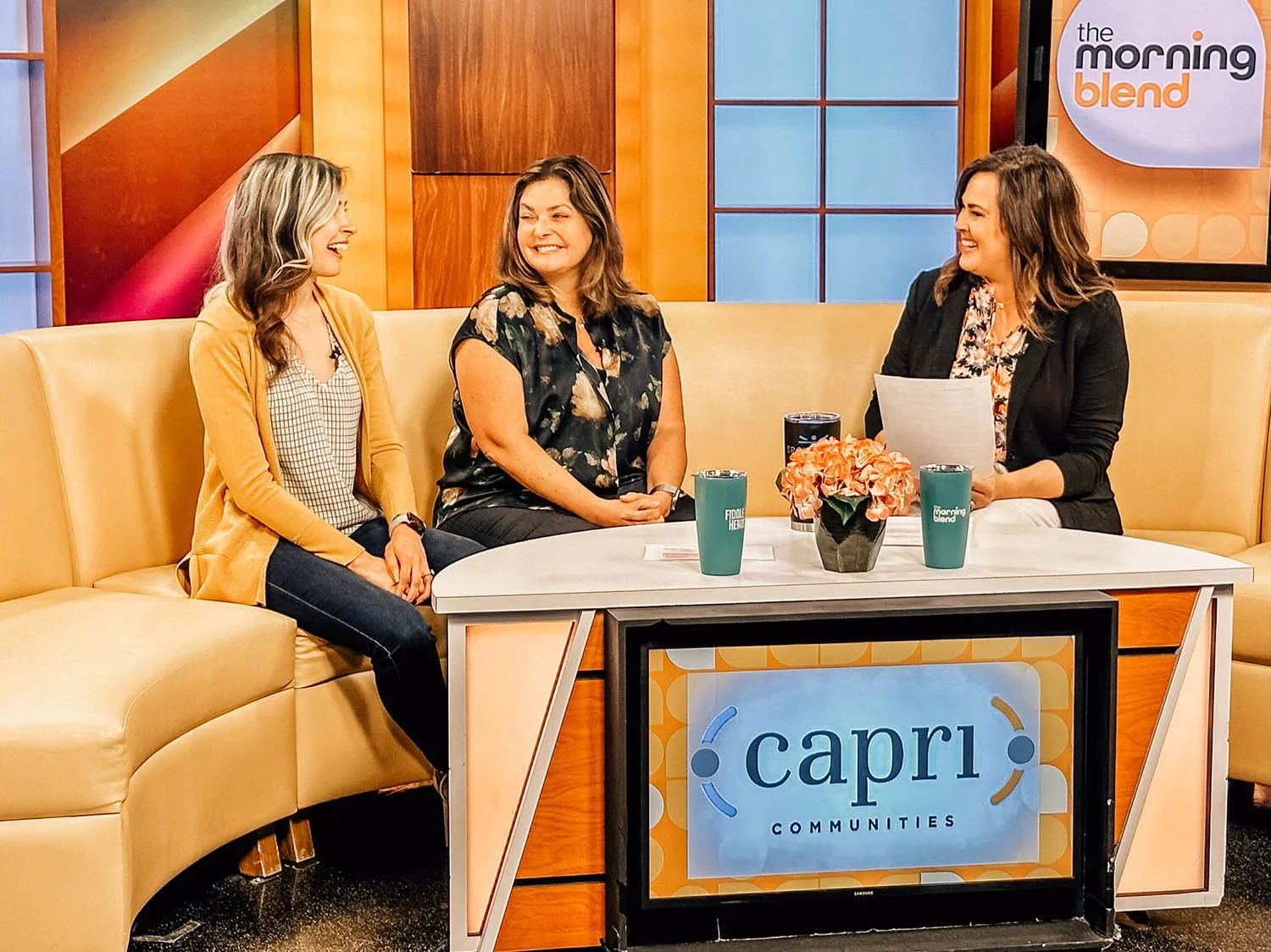
Speaking on The Morning Blend